

Customer Outreach Programs
The DeKalb County Department of Watershed Management is committed to educating and engaging customers through programs that protect our water resources and support a healthy community.
This page highlights customer programs focused on community outreach, educational initiatives, and the Fats, Oils, and Grease (FOG) program, which helps prevent sewer overflows and protect local waterways. Through these efforts, the department works to promote responsible practices, increase awareness, and strengthen partnerships across DeKalb County.
Conservation Programs
Water Conservation Kits: The department has free Custom Water Conservation Kits. The kits provide noticeable water consumption savings for bathrooms, which is where most household water usage occurs.
The kit includes: low-flow shower head, bathroom faucet aerators, leak detection tablets and numerous household conservation tips.
Educational Programs
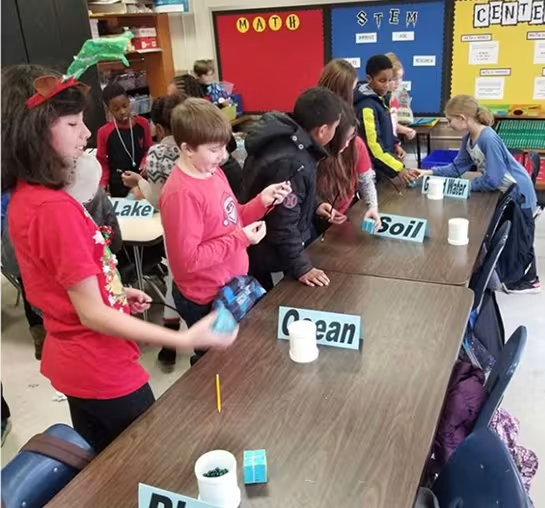
DeKalb County students and teachers can explore the world of water through interactive, standards-aligned programs. Our lessons are easy to use in the classroom and cover topics such as:
- Water & Wastewater Treatment
- Water Conservation
- Water Pollution
- Water Cycle
- Water Ecology
- Water Careers
For Teachers: DWM offers workshops to help educators bring water education to their students. Workshops can be requested or attended at scheduled events throughout the year and can count toward Professional Learning Units (PLUs).
Community Outreach
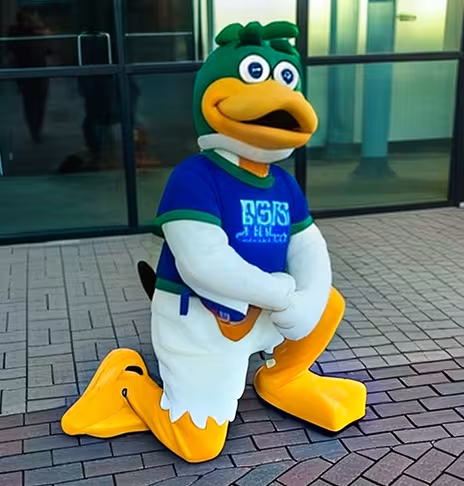
Blake D. Duck
Our education mascot available for events!
BlaKe D. (DeKalb spelled backward) is the newest member of the Watershed Management team! Along with the Public Education Team, he travels across the County to meet residents and share important water messages.
BlaKe D. loves visiting schools and community events to teach about water conservation and FOG – the proper disposal of Fats, Oils, and Greases – for a cleaner, healthier DeKalb.
Additional Outreach Programs:
- Art Calendar Contest
- Imagine A Day Without Water
- Water Drop Dash
Adopt-A-Stream
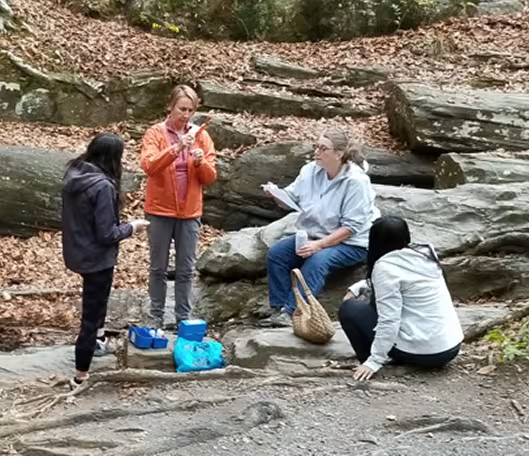
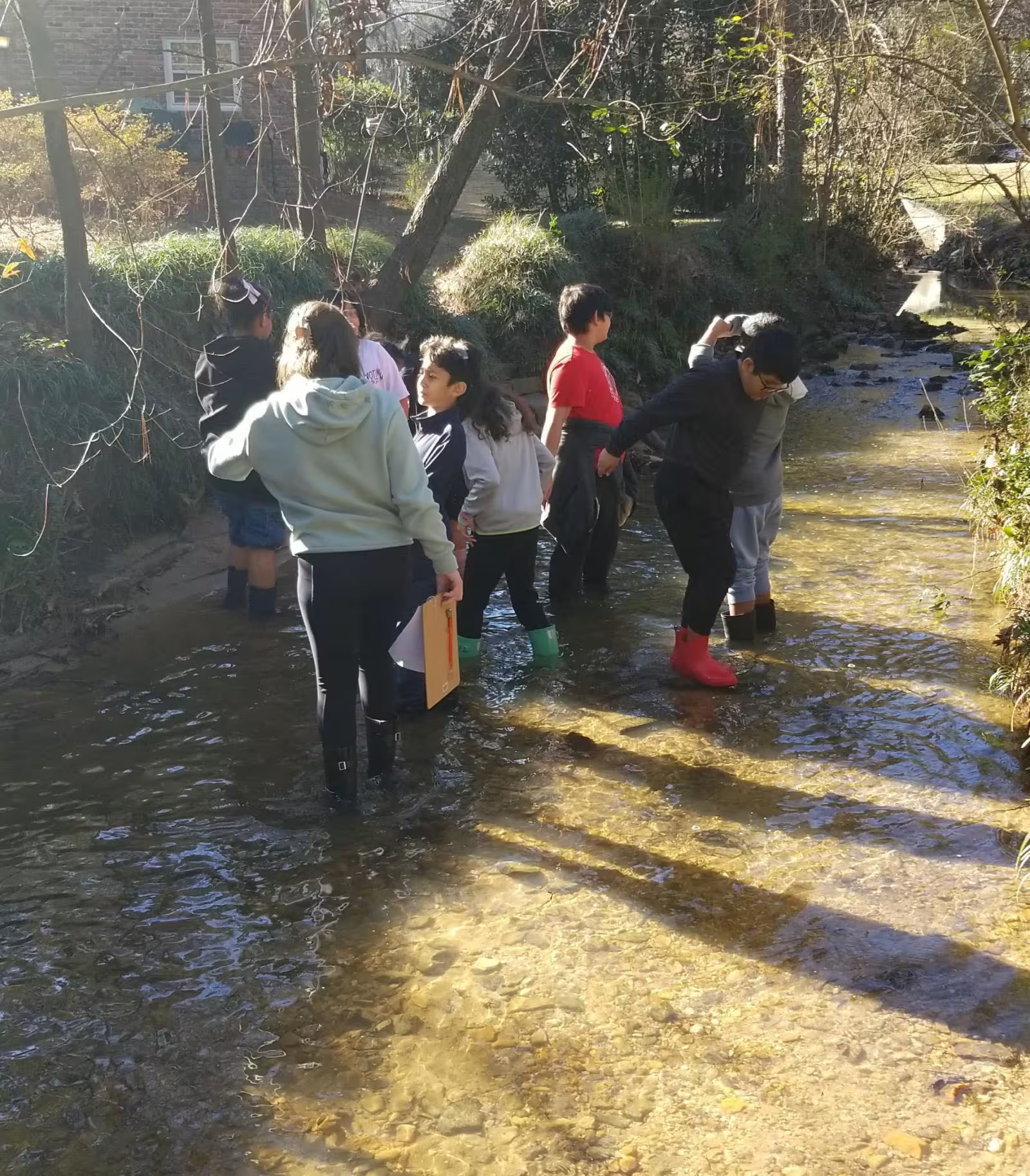
Adopt-A-Stream is a volunteer program that promotes water quality awareness and gathers baseline data. Individuals, schools, homeowners, and civic groups can participate through workshops, learning to monitor streams in several ways:
- Chemical/Physical: Test water samples to assess stream health.
- Macroinvertebrate: Identify aquatic organisms to evaluate habitat and water quality.
- Bacterial: Measure E. coli to detect potential health risks.
- Watershed Assessments: Examine local watershed factors affecting streams.
- Visual Surveys: Track changes in your stream over time
Contact: Michael O’Shield
FOG – Fats, Oils & Grease
What is FOG?
FOG comes from animal and vegetable fats and oils used in cooking, including:
- Baking goods, butter, margarine, cooking oil
- Dairy products, meat fat, lard
- Sauces, shortening, and food scraps
Why it matters:
When FOG goes down sinks, toilets, or garbage disposals, it coats pipes and clogs the sewer system. This can lead to backups in homes and businesses and costly sewer repairs.
How you can help:
- Pour cooled fats, oils, or grease into a sealed container and throw it in the trash.
- Scrape plates and cookware before washing; don’t rinse food scraps down the sink.
- Wipe grease from dishes, pans, and utensils with a paper towel and toss it in the trash.
To schedule a FOG Presentation contact: Brenda Winston